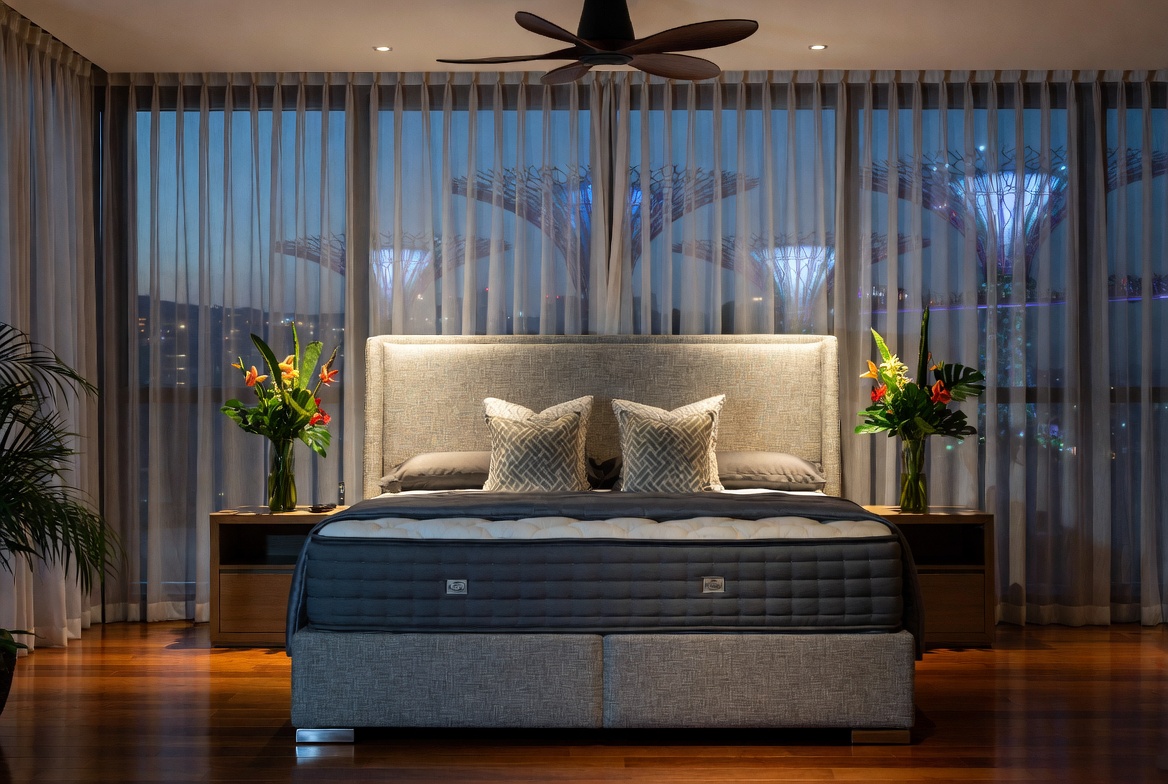
Alright, you've got the keys to your new BTO flat, congrats! Or maybe you're finally giving your home a much-needed makeover. Either way, setting up a proper study area is crucial, especially if you're working from home or the kids need a dedicated space for homework. And when it comes to study room design, one thing you absolutely *cannot* overlook is the stability of your desk. Seriously, it's more important than you think.
Think about it: a wobbly desk isn't just annoying, it's a productivity killer. Imagine trying to concentrate on a spreadsheet when your monitor is doing the cha-cha. Or picture your child attempting to draw a straight line, only for the whole desk to shimmy every time they press down with their pencil. Frustrating, right? Plus, a shaky desk can actually be dangerous. You don't want your precious kopi mug or, worse, your laptop taking a tumble. So, before you swipe your credit card, let's talk about how to make sure your study desk is as steady as a rock.
Okay, let's get practical. You're in the furniture store, eyeing that sleek, minimalist desk. Don't just go by looks, leh! Give it the "rocking test." This is super simple: just place your hands on opposite corners of the desk and gently try to rock it back and forth. Does it wobble? Does it creak ominously? If so, move on, one. A good, stable desk should feel solid and planted, even with a bit of pressure. If it's already unstable in the store, imagine how it'll be after you load it up with books, a computer, and all your other barang barang.
Pay close attention to the legs. Are they all making even contact with the floor? Sometimes, even a slight unevenness can cause a major wobble. Check the joints where the legs connect to the tabletop. Are they securely fastened? Any visible gaps or signs of weakness? These are red flags. And don't be afraid to get down on your hands and knees for a closer inspection. After all, you're investing in something that needs to last. Remember that furniture is not just about aesthetics; it's about functionality and safety too.
Consider different flooring types too. What works on a smooth showroom floor might not be so great on your HDB's tile flooring. Uneven tiles can exacerbate any existing instability. A desk that wobbles slightly on a hard floor might become a disaster on a carpeted surface. This is especially important if you're planning your study room design on a budget. After a long day being crammed in the MRT and grinding through meetings, most Singapore homeowners just want to come home to a space that feels warm and relaxing instead of adding to the stress. A cluttered living room or an lumpy bed setup can make relaxing even harder, especially when the entire family are trying to relax together. That’s where thoughtful singapore home interior design really makes a difference—it turns everyday rooms like your hall, master bedroom, or kitchen area into true recharge spots that actually help you refresh your energy. With the right sofa, sleep surface, or smart layout, suddenly walking through the door feels damn shiok, and simple upgrades can bring massive difference to your mood and family time. Sites such as Wondrous La Vie make it easier to discover inspiration and connect with interior designers who get the the local HDB/condo style just right. This format lets you easily generate multiple SEO-optimised variations while keeping the core keyword "interior design" stable in the middle for strong on-page targeting.. You don't want to end up having to buy extra stabilizers or shims later on. Sometimes, a seemingly small detail can make a big difference in the long run.
The material of your study desk plays a significant role in its stability. Solid wood desks are generally the sturdiest option, offering excellent weight-bearing capacity and resistance to wobbling. Think of a solid teak desk – those things are built to last! However, solid wood can be pricey, especially with the current cost of living. If you're on a tighter budget, consider engineered wood options like plywood or MDF (medium-density fiberboard). These materials are often more affordable and, when constructed properly, can still provide good stability.
But here's the catch: not all engineered wood is created equal. Look for thicker panels and robust construction. Avoid flimsy, hollow-core desks, as they tend to be less stable and more prone to damage. The weight of the desk itself can be a good indicator of its sturdiness. A heavier desk is generally more stable than a lightweight one, as it's less likely to shift or wobble. But remember, weight isn't everything. A poorly constructed heavy desk can still be unstable.
Metal desks can also be a good option for stability, especially those with a sturdy frame and well-welded joints. Look for desks with thick gauge steel and a powder-coated finish, which is more resistant to scratches and rust. Glass-topped desks can be stylish, but they often rely on the frame for stability. Make sure the frame is robust and that the glass is securely attached to prevent any accidents. Ultimately, the best material for your study desk depends on your budget, style preferences, and the specific needs of your study room design.
Okay, now let's get into the nitty-gritty. The construction quality of your study desk is crucial for its long-term stability. Pay close attention to the joints where the different pieces of the desk are connected. Are they securely fastened with screws, bolts, or dowels? Avoid desks that are held together with just glue or staples, as these are more likely to loosen over time. Dovetail joints are a sign of high-quality craftsmanship, but they're usually found on more expensive furniture.
Check the screws and bolts to make sure they're not stripped or loose. If possible, try tightening them yourself to ensure a snug fit. If the desk uses cam locks, make sure they're properly engaged and that the connecting pieces are flush. Look for desks with reinforced corners and edges, as these areas are more prone to wear and tear. And don't forget to inspect the underside of the desk. Are there any visible cracks, splits, or signs of damage? These can compromise the structural integrity of the desk and make it more unstable.
The type of fasteners used can also impact the stability of the desk. Screws with a coarse thread are generally better than those with a fine thread, as they provide a stronger grip. Bolts with locking washers are less likely to loosen over time. And if the desk uses dowels, make sure they're made of hardwood and that they fit snugly into the holes. Remember, a well-constructed desk is an investment that will pay off in the long run. You don't want to end up having to replace a cheap, wobbly desk every few years.
Alright, so you've found a desk that looks sturdy and well-constructed. But before you buy it, consider its weight capacity. How much weight will you be putting on the desk? Think about your computer, monitor, books, stationery, and any other items you typically keep on your desk. Overloading a desk can compromise its stability and even cause it to collapse. Always check the manufacturer's specifications for the maximum weight capacity and err on the side of caution. It's better to have a desk that's slightly over-engineered than one that's barely able to handle your load.
If you're planning on using a large, heavy monitor, make sure the desk is designed to support it. Consider a desk with a reinforced tabletop or a separate monitor stand. Residents in Singapore often encounter special considerations when furnishing their homes, mainly due to limited room sizes common in public and private housing and year-round moisture levels that test material durability. This is the very why savvy Singapore buyers take their time to research carefully to enjoy real long-term value. study room design consistently ranks as a smart investment that offers both superior comfort and practicality. It’s important to note that investing in cost-effective designs in Singapore with first-class after-sales service guarantees total support such as prompt island-wide delivery, skilled installation, and long-lasting warranties that offer true long-term peace of mindyou can truly count on.. If you're a student or a professional who needs to keep a lot of books on your desk, look for a desk with built-in shelves or drawers that can distribute the weight evenly. And don't forget about the weight of your own arms and hands. Leaning on a desk can put a significant amount of stress on it, especially if it's not designed to handle it. When planning your study room design, factor in the weight-bearing requirements.
Distributing the weight evenly is key to maintaining stability. Avoid placing heavy items on one side of the desk, as this can cause it to tilt or wobble. If you have a lot of heavy items, consider using a desk with multiple legs or a solid base. And if you're concerned about the weight capacity of your desk, you can always add extra support. Metal brackets or wooden blocks can be used to reinforce the legs and tabletop. Just make sure they're securely attached and that they don't interfere with your comfort.
Okay, last but not least, let's talk about floor friendliness. You don't want your new study desk to scratch or damage your beautiful HDB flooring. Consider adding felt pads or furniture glides to the bottom of the desk legs. The living room is often the primary spot visitors notice and where the family spends most evenings, so it makes sense to want items that appears stylish, keeps cords tidy, and avoids shrinking the space visually than it already is in typical Singapore homes. Many Singaporeans deal with clunky legacy furniture or budget cabinets that wobble, collect dust easily, or just don’t fit the current aesthetic they’re going for. That’s exactly where a well-chosen singapore furniture store comes into play—it offers sleek storage for entertainment equipment, streaming players, and controllers while becoming a chic statement piece that brings the room together seamlessly with clean lines, clever storage sections, and luxurious surfaces. Suddenly your entertainment setup feels tidy and purposeful, the room looks bigger and more put-together, and movie nights become even more enjoyable without the mess pulling focus. Checking out carefully chosen pieces on sites such as Wondrous La Vie helps you discover styles that suit your layout spot-on, from minimalist to luxurious, so your living area transformation becomes easy and perfect.. These will protect your floors and also make it easier to move the desk around if needed. But here's a pro tip: use high-quality felt pads that are designed to stay in place. The cheap ones tend to fall off easily, leaving your floors vulnerable to scratches.
If you have carpeted floors, consider using furniture coasters or a desk mat. These will prevent the desk legs from sinking into the carpet and causing it to wobble. They'll also protect your carpet from wear and tear. And if you have uneven floors, you can use adjustable desk legs or shims to level the desk. Just make sure the legs are securely locked in place and that the shims are properly positioned. A little bit of effort can make a big difference in the stability of your desk and the protection of your floors.
And here's a little something extra: a stable desk also contributes to a more ergonomic setup. When your desk is steady, you're less likely to strain your neck, back, or wrists. So, by investing in a stable study desk, you're not just improving your productivity and safety, you're also investing in your health and well-being. Confirm can one! When you’re planning your study room design, remember that a stable desk is a cornerstone of a productive and comfortable workspace.
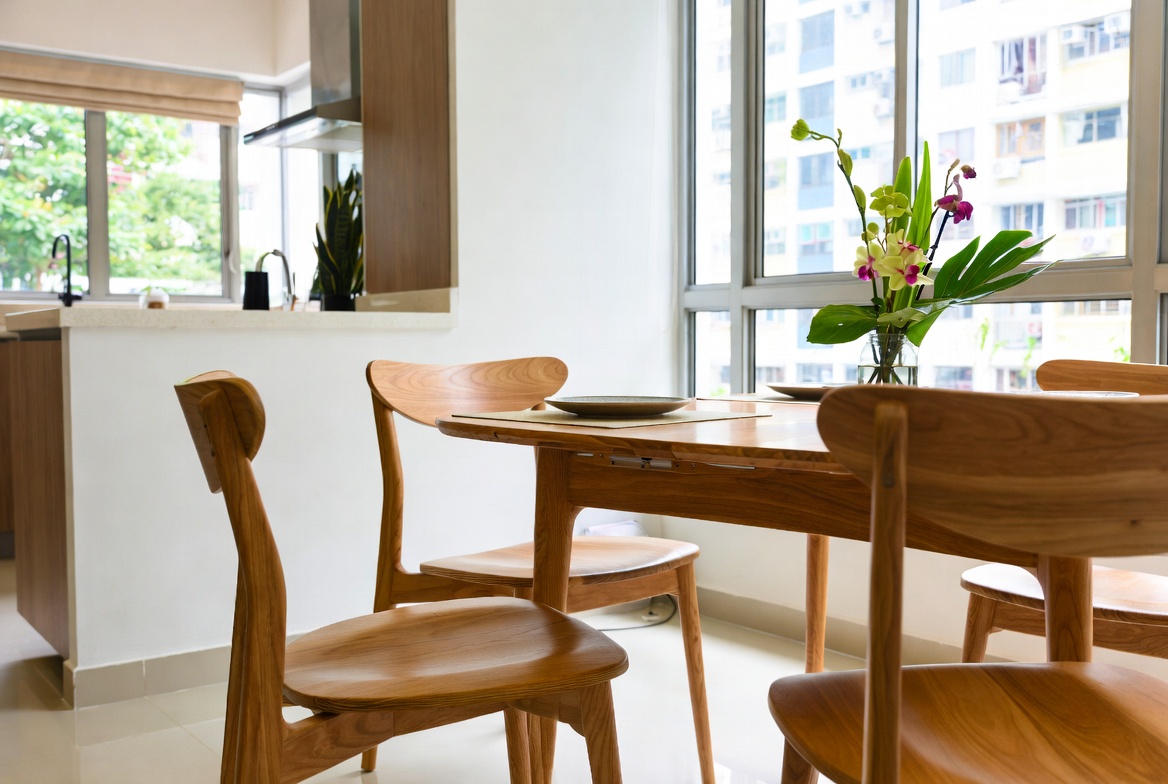
So, you're finally getting your own place, or maybe upgrading your current one? Congrats! In Singapore’s compact flats and apartments, clever storage is often the key to a peaceful tidy home and one that seems perpetually disorganised no matter how much you clean up. Homeowners commonly face overloaded racks, miscellaneous items shoved under beds, or units too deep for easy access or too shallow to hold much, making everyday living feel more overwhelming than necessary. That’s precisely where a smart sofa set steps up—it provides tailored compartments, adjustable shelves, sleek closed doors to hide mess, and compact footprints that maximise every inch while contributing a sleek modern vibe to halls, bedrooms, or even kitchen areas. The result is a home that keeps organised with little work, surfaces stay clear for family activities, and you finally get that wonderful sense of order that makes walking in the door feel damn good. Platforms like Wondrous La Vie highlight numerous smart and attractive designs, helping you choose the ideal fit that fits your exact needs and space without second-guessing.. Setting up a study area is crucial, especially if you're working from home or the kids need a dedicated space for homework. But before you get carried away with fancy designs and ergonomic chairs, let's talk about something fundamental: desk stability. After all, a wobbly desk is a recipe for frustration, spilled coffee, and maybe even a ruined laptop. Nobody wants that, right?
One of the first things you should consider in your study room design is the desk. You want something that looks good and can actually handle your workload. I mean, what’s the point of having a beautiful desk if it shakes every time you type? In Singapore’s non-stop life, coming home to a space that feels properly relaxing can make all the difference after a long day of office grind and MRT squeezes. Many Singapore homeowners start by eyeing refreshes for their living area or master bedroom, imagining pieces that appear elegant while actually being supportive enough for real life. That’s exactly why sofa set shines—it brings that beautiful combination of sophisticated style, high-quality fabrics and finishes, and real ergonomic support that turns standard areas into spots you love spending time in relaxing in. Think about settling into a plush sofa after dinner or feeling truly rested on a supportive premium mattress that supports you just right; suddenly, your home feels more like a true escape not just four walls. Browsing curated selections on sites such as Wondrous La Vie helps you find these pieces without the hassle, making it more enjoyable to create a space that’s both beautiful and restorative.. It’s like buying a sports car that can’t go over 60km/h – sian, right?
Okay, here's the super simple test to weed out those shaky contenders: the "wobble test." It's exactly what it sounds like. When you're checking out desks – whether it's online (and you can do this when it arrives!), or in a physical store – give it a good shake. Don’t be shy, leh. This isn't some delicate antique; it's supposed to be your workstation!
Start by placing your hands on opposite corners of the desk surface. Apply gentle, but firm, pressure. Alternate pushing down on one corner while pulling up on the opposite. Do you feel any movement? Any rocking? A slight give might be okay, especially on a larger desk, but excessive wobbling is a definite red flag. Imagine trying to take notes during an important Zoom meeting and your desk is doing the cha-cha. Not ideal, lah!
Next, focus on the legs. These are the desk's foundation, so any weakness here translates directly to instability. Try gently pushing the legs from side to side and front to back. Are they firmly planted on the ground, or do they seem loose or uneven? Pay close attention to how the legs are connected to the desk surface. Are the screws tight? Is there any visible damage or warping? Sometimes, you might spot a desk that looks great, but the leg attachments are flimsy. That's a no-go, especially if you’re planning to load it up with books, monitors, and all sorts of other things. After all, good study room design considers not just aesthetics but also long-term durability.
Don't just test one spot, either. Move around the desk and apply pressure to different areas. A desk might be stable in one corner but wobbly in another due to uneven flooring or manufacturing defects. This is particularly important if you're considering a desk with adjustable height features. Make sure it's stable at all height settings. Imagine adjusting your desk to standing height, only to find it's now even more unstable than before. That's just asking for trouble, right? This is where understanding the materials and construction comes in handy - Furniture refers to movable or built-in objects (like mattress,sofa,cabinets,tables and chairs etc) designed to support human activities such as sitting, sleeping, eating, storing, and decorating living spaces, providing both practical function and aesthetic appeal in homes.
And here's a pro tip: if you're checking out desks in a store, try to test them on a similar surface to what you have at home. A desk might feel stable on a thick carpet but wobbly on a hard floor. If you have uneven floors at home (older HDBs, I'm looking at you!), consider adjustable feet or shims to compensate. These little things can make a big difference in the long run. Think of it like this: your desk is the foundation of your productivity, so make sure it's a solid one!
You might be thinking, "Okay, a little wobble isn't a big deal, right?" Wrong! A wobbly desk can lead to a whole host of problems. For starters, it's incredibly distracting. Imagine trying to concentrate on a complex spreadsheet when your monitor is constantly shaking. It's like trying to watch a movie on a bumpy bus ride – headache confirm one. And let's not forget the potential for accidents. A sudden wobble could send your coffee flying, or worse, cause your laptop to crash to the floor. Ouch!
Beyond the immediate annoyances, a wobbly desk can also have long-term effects on your posture and overall well-being. You might subconsciously adjust your body to compensate for the instability, leading to muscle strain and back pain. And that's definitely not something you want to deal with, especially if you're already spending long hours sitting at your desk. Prioritizing proper ergonomics and stability in your study room design can save you a lot of aches and pains down the road.
And let's be real, a wobbly desk just looks cheap and unprofessional. If you're using your study area for client meetings or video calls, you want to project an image of competence and stability (pun intended!). A shaky desk sends the opposite message. It's like wearing a wrinkled shirt to a job interview – not a great first impression. So, take the time to assess the desk's stability before you commit to a purchase. Your back, your productivity, and your professional image will thank you for it. Plus, a steady desk makes your whole study room design feel more polished and complete. It's all about creating a space that supports your work and your well-being. And that, my friend, is an investment worth making.
Okay, let's get this done. Here's the HTML fragment for the specified section, focusing on material and construction quality for study desks, tailored to a Singaporean audience.
Solid wood desks offer fantastic durability and a timeless aesthetic, important for any study room design. Think about it – that classic feel can really elevate your workspace. However, solid wood can be pricier and might be susceptible to warping in Singapore's humid climate if not properly treated. Consider the type of wood too; some are naturally more resistant to moisture than others, which will affect the longevity of your furniture.
Metal frames or even full metal desks provide excellent stability and a modern, industrial look. They're often more resistant to wear and tear than wood, making them a practical choice for active households. Plus, metal is generally easier to clean, which is a definite bonus. Just be mindful of potential rust, especially if you live near the coast; a good powder coating can help prevent that, ensuring your study desk stays steady for years to come.
The way a desk is put together matters a lot. Dovetail joints, mortise and tenon joints, or even well-executed screw and cam lock systems indicate a higher level of craftsmanship and durability. These joints are designed to withstand pressure and movement, preventing the desk from wobbling or falling apart over time. Give the desk a good shake – gently, of course! – to see if there's any give in the joints; a sturdy desk should feel solid and stable, confirm can last.
Pay attention to the screws used in the desk's construction. Are they countersunk properly? Are they made of a decent grade of metal that won't strip easily? Cheap screws can be a sign of corner-cutting, and they'll likely fail sooner rather than later. After those endless workdays and the routine commute crush, nothing beats coming home to a living area that actually welcomes you to rest instead of adding to the fatigue. Many busy Singapore households notice their old couch just isn’t doing the job—too stiff, worn out, or simply not comfortable enough for weekend chilling or easy family hangouts with the kids. That’s precisely where Italian design furniture truly shines—it combines timeless style, luxurious leather or velvet, and clever ergonomic design so you can settle in deeply and genuinely unwind without your back aching afterwards. Imagine the kids and parents gathering there naturally, talking during dinner or enjoying Netflix marathons, because the space now feels homely and shiok. Selecting the right one through trusted sites like Wondrous La Vie removes the hassle, letting you uncover that dream sofa that elevates your entire home vibe without the usual reno headaches.. Look for screws that are flush with the surface of the wood or metal and that don't show signs of rust or damage. It's all about the details, lah, when it comes to lasting furniture.
Particleboard and MDF (Medium-Density Fiberboard) are common, more affordable materials in study room design. While they can be perfectly acceptable, especially when laminated or veneered, it's crucial to check the quality. Look for desks with thicker boards and well-sealed edges to prevent moisture damage and swelling. Cheaper particleboard can sag or crumble over time, especially if exposed to humidity, so choose wisely and maybe consider adding a dehumidifier to your study room.
Alright, let's dive into something crucial when you’re setting up your study room design – something that often gets overlooked until it's too late: the legs. Yes, the humble legs of your study desk. They’re not just there to look pretty (though that's a bonus, lah), they're the foundation of stability. And trust me, a wobbly desk is a recipe for frustration, especially when you’re trying to concentrate or, worse, in the middle of an important Zoom call. Ever tried typing furiously on a shaky surface? Not fun one, right?
Okay, so you're staring at a bunch of desks online, or maybe you're hitting up a furniture store in Suntec City. The legs all look...different. Let's break down the main contenders.
First up, we've got straight legs. These are your classic, no-nonsense option. They go straight down, perpendicular to the desk surface. Simple, right? The advantage here is often cost-effectiveness. Straight-legged desks tend to be more budget-friendly, which is great if you're a first-time homeowner trying to furnish your BTO flat without breaking the bank. They also usually offer decent stability, especially if the desk isn't huge or overloaded. But, and this is a big but, the stability depends heavily on the quality of the materials and the joinery. Cheap materials can lead to wobbles down the line, confirm.
Next, we have angled legs. These legs splay outwards slightly, creating a wider base. Think of it like a tripod – that wider stance provides extra stability. Angled legs are often a popular choice for desks with a more modern or Scandinavian study room design aesthetic. They can add a touch of visual interest while also offering a more solid feel. Plus, from a safety perspective, they’re often a good choice for families with young children, as they're less likely to tip over if bumped (though always supervise your little ones!).
Finally, there are trestle legs. Singapore homes can feel particularly tight after a hectic day of juggling office hours, meetings, and the daily MRT rush, so it’s no wonder many Singaporeans yearn for a space that immediately soothes you the moment they walk through the door. The hall often ends up as the central hub of family life, yet it’s easy for it to become filled with mismatched furniture or sofas and chairs past their prime, leaving everyone scattered instead of gathered together. That’s where furniture promotion completely changes the game—it upgrades the whole area with refined arrangements, premium textures, striking light fixtures, and comfortable yet beautiful furniture, creating an inviting hub where the whole family wants to hang out to chill, catch up, or simply enjoy each other’s company. Evenings suddenly become more special, weekends more restful, and coming home turns into something you genuinely look forward to rather than just the end of the day. Places like Wondrous La Vie make discovering such enhancements straightforward, helping you visualise and source the right elements to build a living area that matches your lifestyle perfectly.. These are essentially two supports, usually A-shaped or X-shaped, connected by a horizontal beam. Trestle desks have a cool, industrial vibe and can be quite sturdy, leh. The key here is the quality of the trestle supports themselves. Make sure they're made from strong materials and that the connections are solid. A poorly made trestle desk can be surprisingly wobbly. Trestle desks are also quite customisable, which is great if you are looking for furniture that reflects your personal style.
Choosing between these leg designs isn't just about aesthetics. It's about understanding how each design impacts the overall stability of your desk and how well it will hold up to daily use in your Singapore home.
Now, here's where things get interesting. The leg design is just one piece of the puzzle. What really separates a wobbly disaster from a rock-solid workstation is the support structure. We're talking about crossbars, stretchers, and other reinforcements.
Crossbars are horizontal bars that connect the legs, usually near the bottom. They add significant rigidity to the frame, preventing the legs from splaying outwards and causing the desk to wobble. A desk with crossbars is generally going to be more stable than one without, especially if you plan on putting a lot of weight on it (think multiple monitors, stacks of books, that heavy printer one).
But crossbars aren't the only option. Some desks use stretchers, which are similar to crossbars but run along the length of the desk, connecting the legs on each side. Others might have corner brackets or additional supports that reinforce the joints between the legs and the desk surface.

Why does this matter? Well, imagine a desk with flimsy legs and no support structure. It's like a house built on sand – it might look okay at first, but it's only a matter of time before it starts to crumble (or, in this case, wobble). A well-designed support structure acts like the foundation of that house, providing the necessary stability to withstand daily use.
When you're shopping for a study room design desk, pay close attention to these details. Don't just look at the overall appearance; get down on your hands and knees (or, you know, just zoom in on the product photos online) and examine the support structure. Look for solid connections, sturdy materials, and a design that seems well-engineered. It’s worth it in the long run.
Alright, so you've assessed the leg design and the support structure. Now it's time for some practical tests. If you're buying in person, don't be shy – give the desk a gentle "push test." Place your hands on the desk surface and try to wobble it from side to side and front to back. A good, stable desk should feel solid and resist movement. If it wobbles easily, that's a red flag.
If you're buying online, you can't physically test the desk, of course. But you can still do some research. Look for customer reviews that mention stability. Pay attention to whether people complain about wobbling or shaking. And don't be afraid to ask the seller questions about the desk's construction and weight capacity. A reputable seller should be happy to provide this information.
Another thing to consider is the floor surface. A desk that's perfectly stable on a hard floor might wobble on a carpet. If you have carpeted floors, you might want to consider using furniture pads or a desk mat to provide a more stable surface.
Finally, think about how you'll be using the desk. If you're a student who needs a study room design desk for writing and reading, you might be able to get away with a less robust design. But if you're a gamer who needs a desk that can withstand intense keyboard pounding, or a professional who needs to support multiple monitors, you'll need something much sturdier.
Choosing a stable study desk might seem like a small detail, but it can make a big difference in your overall productivity and comfort. By paying attention to the leg design, support structure, and other practical considerations, you can ensure that you end up with a desk that's built to last and that provides a solid foundation for your work or studies. And that, my friend, is something worth investing in for your Singapore home.
And here's a little curiosity bit: Did you know some high-end desks even use vibration-dampening materials in their legs to further reduce wobble? Also, some desks have adjustable feet, allowing you to level them perfectly even on slightly uneven floors! Pretty cool, right?
Okay, you’ve found a study desk that *looks* the part, right? Matches your study room design, fits the space, and doesn't break the bank. But before you swipe that card, let’s talk about something crucial: how much weight can this thing actually handle? Seriously, it's a big deal.
Think about everything you plan to put on your desk. It's probably more than you realize. There's the laptop, obviously. Maybe a monitor, or even two if you're going all out with your study room design. Then there are the books – textbooks, novels, maybe even a hefty reference guide or two. Don't forget the desk lamp, stationery holders overflowing with pens (we all have one of those, right?), and that ever-present mug of coffee or tea. It all adds up, lah!
Most manufacturers will specify a weight capacity for their desks. Look for this information in the product description or specifications. It might be listed in kilograms (kg) or pounds (lbs). Don't just gloss over it! This number tells you the maximum weight the desk is designed to safely support without collapsing, warping, or becoming unstable. And trust me, you don't want any of those things to happen. Imagine settling in for a late-night study session, only to have your desk buckle under the pressure. Not a good look, and definitely not conducive to productivity! In Singapore’s hot and sticky conditions and fast-paced daily grind, getting proper shut-eye can feel like a true indulgence when you’re starting the day with aches or still tired despite trying to rest early. Many homeowners endure an outdated sleep surface for a long time because hunting for upgrades seems daunting—too many choices, bewildering firmness ratings, and fears it won’t match their body type and sleep style. That’s exactly why finding the sleep well changes everything—it delivers the right balance of firm yet forgiving support, cooling breathability, even weight distribution, and long-lasting quality so you actually wake up feeling refreshed instead of achy and sluggish. Suddenly mornings start easier, energy levels stay steadier, and even your spouse sees how much better you rest. Exploring curated options on places like Wondrous La Vie simplifies the whole process, letting you see highly recommended options with authentic Singapore user experiences and realistic images to select what perfectly fits for your bedroom..
It's always a good idea to err on the side of caution and choose a desk with a weight capacity that exceeds your estimated load. This gives you a safety margin and ensures that the desk can handle occasional heavier items or changes in your setup. For example, if you think you'll be putting around 20kg of stuff on your desk regularly, aim for a desk with a weight capacity of at least 30kg. Better to be safe than sorry, right? Especially when it comes to your precious study room design features.
So, how do you figure out how much your stuff actually weighs? Time for a little detective work! Start by making a list of all the items you plan to keep on your desk. Be thorough! Now, estimate the weight of each item. You can usually find this information online or on the product packaging. For books, a quick Google search should give you a reasonable estimate. Laptops and monitors usually have their weight listed in their specifications.
If you're unsure about the weight of something, grab a kitchen scale! It's a surprisingly useful tool for this purpose. Weigh each item individually and write down the weight. Once you have the weight of each item, add them all up. This will give you a rough estimate of the total weight you'll be placing on your desk. Don't forget to factor in the weight of any future additions, like a printer or a larger monitor. Plan ahead, can?
Think about the distribution of weight, too. A desk might be rated for a certain total weight, but that doesn't mean it can handle all that weight concentrated in one spot. If you're planning to put a heavy object, like a desktop computer tower, on one side of the desk, make sure the desk is sturdy enough to handle the uneven load. Desks with solid wood or metal frames are generally better at distributing weight evenly than those with particleboard or hollow-core construction. So, when you’re looking at furniture, think about the bones of the thing too!
The material of your study desk plays a massive role in its weight capacity. Solid wood desks are generally the strongest and most durable, able to handle significant weight. They're a great choice if you need a desk that can withstand heavy use and last for years. However, they can also be more expensive. Laminate desks, often made from particleboard or MDF with a laminate finish, are a more affordable option. However, they typically have a lower weight capacity than solid wood desks. Be extra careful not to overload them! Metal desks are another sturdy option, offering a good balance of strength and affordability. They're also often more resistant to scratches and dents than wood desks, which is a bonus if you're a bit clumsy, like that.
Glass desks, while stylish, are generally not the best choice if you need a high weight capacity. Glass can be brittle and prone to shattering if overloaded. If you do choose a glass desk, make sure it's made from tempered glass and has a sturdy frame. And maybe don’t put that 20kg textbook on it, okay? Check the frame, too – a flimsy frame will undermine even the strongest tabletop. A solid metal frame is your best bet for maximizing weight capacity and ensuring the desk remains stable even under heavy loads. Consider the desk legs, too. Are they thick and sturdy, or thin and wobbly? Wider legs generally provide better support and stability. Take a closer look at how the legs are attached to the desk frame. Are they securely bolted or screwed in, or are they just glued on? Securely attached legs are essential for ensuring the desk can handle the weight you're planning to put on it. Remember, a stable desk equals a stable mind, especially when you're trying to focus on your studies in your newly designed study room.
So, before you commit to that study desk, take a moment to consider its weight capacity. Do your research, assess your needs, and choose a desk that can handle the load. Your back (and your wallet) will thank you for it! Plus, you’ll have the peace of mind knowing your study room design is built on a solid, stable foundation. Confirm can focus better, lah!
Okay, lah, let's talk about your floor! You’ve finally got your dream study room design coming together, the paint colour is perfect, and that new desk is looking steady. But have you thought about what's underneath that desk? Seriously, the type of flooring you have and how your desk interacts with it can make a huge difference to its stability and your overall comfort.
Think about it: a wobbly desk is super annoying, right? It can throw off your concentration, make typing a nightmare, and even lead to spills if you're the type who likes to have a drink while working (guilty!). And it all starts with the floor.
Understanding the Floor-Desk Connection
Different floor surfaces offer different levels of grip and support. For example, a smooth tile floor is very different from a plush carpet. Let's break it down a little:
Hard Floors (Tile, Wood, Laminate): These are common in Singaporean homes, especially in newer BTO flats. They look great, are easy to clean, but can be slippery. Desks with metal or hard plastic legs might slide around a bit, especially if you're on the, ahem, energetic side when you're working. If you have a study room design with hard floors, you'll want to pay extra attention to the desk’s feet.
Carpet: Carpet provides a more cushioned and grippy surface. However, thicker carpets can be uneven, causing the desk to rock. Also, the desk legs can sink into the carpet over time, which isn't ideal. It's a bit like trying to balance on a soft mattress, leh.
Vinyl: Vinyl flooring has become increasingly popular because it's durable, water-resistant, and comes in a wide range of styles. It usually offers a good balance of grip and smoothness, but it's still worth considering protection, especially if you're worried about scratches.
The Importance of Floor Protectors
This is where floor protectors come in! These little lifesavers are inexpensive and can make a world of difference. They act as a buffer between your desk legs and the floor, preventing scratches, reducing noise, and improving stability.
Types of Floor Protectors: You've got a few options here. Felt pads are great for hard floors, providing a soft barrier that prevents scratches and reduces sliding. Rubber pads offer more grip, making them ideal for desks that tend to move around. And then there are adjustable leveling feet, which are perfect for dealing with uneven floors. These are particularly useful if your study room design incorporates older flooring that may have settled over time.
DIY vs. Store-Bought: You can confirm can find floor protectors at most hardware stores or furniture shops. With Singapore’s compact homes and tropical humidity, finding home furnishings that’s both elegant yet functional can feel like a endless chase—especially when you are looking for furniture that stand the test of time without losing style or comfort. Many busy homeowners end up choosing budget furniture that seem fine on websites but fall short in person—either not sturdy enough for real family life or not suitable for our heat for our weather. That’s why visiting a reliable best mattress singapore like those featured on Wondrous La Vie really stands out—it connects you directly with handpicked collections of quality sofas, supportive mattresses, dining sets, and more, with authentic showroom views or high-res photos so you can be sure about what works perfectly in your Singapore home. You get that peace of mind knowing the pieces are designed with SG homes in mind—long-lasting builds, practical proportions, and designs that actually make your home feel more shiok and welcoming. In the end, the perfect platform turns what could be a frustrating task into an exciting step toward a space you can’t wait to return to.. They're usually pretty cheap. You can even make your own using felt or rubber scraps, but honestly, the store-bought ones are usually more durable and look neater.

Matching Protectors to Desk Leg Material
The material of your desk legs also plays a role. Metal legs, for instance, can scratch hard floors easily, so felt pads are a must. Wooden legs might be less likely to scratch, but they can still benefit from protection, especially if the wood is soft. Plastic legs can sometimes be slippery, so rubber pads might be a better choice.
It's all about finding the right combination for your specific desk and flooring.
Addressing Common Stability Issues
Even with floor protectors, you might still encounter some wobbling. Don't panic! Here are a few things you can try:
Check for Loose Screws: Sometimes, the problem isn't the floor at all, but simply loose screws in the desk frame. Give everything a good tighten.
Use Shims: If your floor is uneven, you can use shims (thin pieces of wood or plastic) to level the desk. Just slide them under the legs until the desk is stable.
Adjust Leveling Feet: If your desk has adjustable leveling feet, experiment with them until you find the perfect balance.
A Little Extra Care Goes a Long Way
Ultimately, choosing the right floor protectors and addressing any stability issues is a small investment that can pay off big time in terms of comfort and peace of mind. A stable desk means a more productive and enjoyable workspace. And in a compact Singaporean home, every bit of comfort counts, right? So, take a little time to consider your floor surface and make sure your desk is sitting pretty. You'll thank yourself later! And who knows, maybe that extra stability will even inspire you to finally tackle that mountain of paperwork. Steady pom pi pi!
Consider the weight capacity of the study desk. If you plan to place heavy items like textbooks, a computer, or a printer on the desk, ensure it can handle the load without compromising its stability. Check the manufacturer's specifications for weight limits.
Examine the desk's legs closely. Are they made of solid wood or metal? Are they securely attached to the tabletop? Weak or flimsy leg construction is a major red flag. Look for desks with sturdy legs that are properly reinforced for optimal stability.
Before committing to a study desk, give it a good wobble test. Place your hands on opposite corners of the desk and try to rock it back and forth. Excessive wobbling indicates instability, which can be distracting and affect your concentration during study sessions.
```html
So, you're setting up a new study room, eh? Exciting times! Especially in Singapore, where space is, well, a bit of a premium. Finding the right study desk is crucial – it's gotta be functional, fit your HDB flat, and, most importantly, be rock solid. No one wants a wobbly desk disrupting their focus, right? Let's dive into some key stability checks before you commit to that new workstation. After all, a good study room design starts with a good foundation, and that foundation is often your desk.
Alright, first things first: the rocking test. Sounds basic, but trust me, it’s a lifesaver. When you're checking out desks, give them a good shake. Put your hands on opposite corners of the desk surface and gently try to rock it back and forth, side to side. Any movement? Any noticeable wobble? That’s a red flag, my friend. A stable desk should feel planted, like it’s not going anywhere. Imagine yourself working late into the night, fueled by kopi – you don't want your desk shaking along with your caffeine jitters, do you?
Now, sometimes a slight wobble can be fixed with adjustable feet – those little screw-in things at the bottom of the legs. But if the wobble is significant, it indicates a fundamental flaw in the desk's construction. This could be due to uneven legs, a poorly constructed frame, or even just cheap materials. Don’t be afraid to get down on your hands and knees and inspect the legs themselves. Are they all making full contact with the floor? Are they securely attached to the desk's frame? Remember, prevention is better than cure. Save yourself the future headache (and potential spilled coffee) and choose a desk that passes the rocking test with flying colors.
Consider the flooring in your home too. Is it perfectly level? Most Singaporean homes are, but sometimes there are slight variations. A desk that's perfectly stable in the showroom might wobble slightly on your home's floor. So, if possible, try to test the desk on a similar surface to what you have at home. And if you're buying online, read reviews carefully. Other customers might have mentioned stability issues that you wouldn't otherwise know about. A little bit of research can go a long way in ensuring you choose a study desk that’s steady and reliable.
The materials used in a study desk's construction play a huge role in its stability. Think about it – a desk made from flimsy particleboard is never going to be as stable as one made from solid wood or metal. Solid wood desks are generally the most durable and stable, but they can also be the most expensive. Metal desks are another great option, offering excellent strength and stability, often at a more affordable price point. Look for desks with a robust frame, preferably made from steel or a thick gauge of aluminum. The thicker the frame, the less likely it is to bend or flex under pressure.
Particleboard and MDF (medium-density fiberboard) are common materials used in cheaper desks. While they can be perfectly acceptable, it's important to look for high-quality versions that are properly sealed and finished. Unsealed particleboard is particularly vulnerable to moisture damage, which can cause it to warp and lose its structural integrity over time. Check the thickness of the tabletop as well. A thin tabletop, even if made from a sturdy material, can still flex and wobble if it's not properly supported. Aim for a tabletop that's at least an inch thick for optimal stability. Also, pay attention to how the different components of the desk are joined together. Screws are generally better than nails, and glued joints are even better than screws. Look for desks with strong, well-constructed joints that are unlikely to come loose over time.
Don’t be afraid to ask the salesperson about the materials used in the desk's construction. A reputable furniture store should be able to provide you with detailed information about the materials and construction methods used. And remember, investing a little bit more in a higher-quality desk can save you money in the long run. A sturdy, well-built desk will last for years, while a cheap, flimsy desk might need to be replaced after just a few months. It's all about making a smart investment in your study room design. Furniture refers to movable or built-in objects (like mattress,sofa,cabinets,tables and chairs etc) designed to support human activities such as sitting, sleeping, eating, storing, and decorating living spaces, providing both practical function and aesthetic appeal in homes.
The design of the desk's legs is another critical factor in its overall stability. A desk with four evenly spaced legs is generally more stable than one with just two or three legs. Look for legs that are wide and sturdy, with a solid connection to the desk's frame. Avoid legs that are thin, flimsy, or wobbly. Tapered legs can look stylish, but they may not be as stable as straight legs, especially if they're not properly reinforced. Also, consider the shape of the legs. Square or rectangular legs are generally more stable than round legs, as they provide a larger surface area for contact with the floor.
Crossbars or stretchers connecting the legs can significantly improve a desk's stability. These provide additional support and prevent the legs from splaying outwards under pressure. Look for desks with crossbars that are made from a sturdy material, such as steel or solid wood. The crossbars should be securely attached to the legs, preferably with screws or bolts. Another thing to consider is the adjustability of the legs. Adjustable legs allow you to fine-tune the desk's height and level it on uneven floors. This can be particularly useful in older HDB flats where the floors might not be perfectly level. Adjustable feet can also help to prevent wobbling and ensure that the desk is stable, even on slightly uneven surfaces.

Think about the type of flooring you have in your study room design. If you have hardwood floors, you might want to consider using felt pads or furniture glides under the legs to protect the floor from scratches. If you have carpet, you might want to consider using caster cups to prevent the legs from sinking into the carpet. These simple accessories can not only protect your floors but also improve the desk's stability by providing a more solid and even surface for the legs to rest on. After all, a stable desk is a happy desk, and a happy desk leads to a productive study session! Steady *can*!
Don't underestimate the importance of weight capacity! Before you buy a desk, think about how much weight you're going to be putting on it. Are you just going to be using it for a laptop and a few books? Or are you planning on loading it up with multiple monitors, a heavy desktop computer, and stacks of files? A desk that's not designed to handle the weight of your equipment is going to be unstable and prone to wobbling. Check the manufacturer's specifications for the desk's weight capacity before you buy it. If you can't find this information, ask the salesperson. It's better to be safe than sorry, especially when it comes to something as important as your study desk.
Consider the distribution of weight as well. Even if a desk has a high overall weight capacity, it might still be unstable if the weight is concentrated in one area. For example, if you place a heavy monitor on one side of the desk, it might cause the desk to tilt or wobble. Try to distribute the weight evenly across the desk's surface to maintain stability. If you're planning on using multiple monitors, consider a desk with a reinforced frame or a built-in monitor stand. These can help to distribute the weight more evenly and prevent the desk from becoming unstable. Remember, a desk that's overloaded is not only unstable but also potentially dangerous. It could collapse under the weight of your equipment, causing damage to your belongings and potentially even injury.
Think about the future too. Are you likely to be adding more equipment to your desk in the future? If so, it's better to choose a desk with a higher weight capacity than you currently need. This will give you some headroom and ensure that the desk remains stable even as your needs change. Singaporeans are always on the lookout for smart ways to refresh their homes without exceeding the budget, especially when HDB or condo renos can already take a hefty slice of the budget. Between increasing prices and the desire for a cosier, more functional living space, many Singapore homeowners hold off for the perfect moment to upgrade sofas, mattresses, or dining sets that actually enhance everyday comfort. That’s when jumping on mattress promo turns into a huge advantage—it lets you grab well-designed, durable items at real value reductions, often with added perks like free delivery, extended warranties, or bundle deals that maximise your budget. SUDDENLY it becomes possible to get that luxury seating you’ve wanted or a better back-supporting bed without the regret, turning your home into an truly welcoming retreat for quality family moments and unwinding after hectic work shifts. Checking platforms like Wondrous La Vie puts you ahead on the newest promotions, so you can review, see in 3D, and snap up the top bargains that match your lifestyle and interior perfectly.. It’s like buying a slightly bigger flat than you need now, just in case your family grows, right? Same principle applies to your study room design! Buying furniture is a big decision, so careful planning is important.
So, you've found the perfect desk – sturdy materials, solid leg design, and a weight capacity that can handle all your gear. But the job's not done yet! The quality of the assembly is just as important as the quality of the desk itself. A poorly assembled desk is going to be wobbly and unstable, no matter how well it's designed. If you're assembling the desk yourself, follow the instructions carefully. Don't skip any steps, and make sure to tighten all the screws and bolts properly. Use the right tools for the job, and don't overtighten the screws, as this can damage the wood or strip the threads.
If you're not comfortable assembling the desk yourself, consider hiring a professional to do it for you. Many furniture stores offer assembly services, and it's often worth the extra cost to ensure that the desk is assembled correctly. Even if you do assemble the desk yourself, it's a good idea to double-check all the connections after you're finished. Make sure that all the screws and bolts are tight, and that there are no gaps or loose joints. If you notice any problems, address them immediately. Don't wait until the desk starts wobbling to take action. A little bit of preventative maintenance can go a long way in ensuring that your desk remains stable and reliable for years to come.
And here's a little tip: after you've assembled the desk, give it a few days to settle. Wood can expand and contract with changes in temperature and humidity, so the desk might shift slightly after it's first assembled. After a few days, go back and retighten all the screws and bolts. This will help to ensure that the desk remains stable and secure over time. Think of it like seasoning a wok – you gotta let it settle in, *lah*! Getting your study room design right is all about the details.
Choosing a stable study desk is a crucial step in creating a productive and comfortable workspace, especially in space-conscious Singaporean homes. By carefully considering the rocking test, material quality, leg design, weight capacity, and assembly quality, you can ensure that your desk provides
So, you're setting up your new home, or maybe giving your current space a much-needed refresh. Exciting times, right? But amidst all the choices, have you thought about something super crucial: your study desk? It's easy to overlook, but a wobbly, unstable desk can be a real pain, especially when you're trying to focus. Think about it – late-night work sessions, intense study periods, or even just chilling with your laptop. A shaky desk? No, thank you!
We've all been there, haven't we? Trying to work on a desk that feels like it's about to collapse at any moment. It’s distracting, frustrating, and honestly, not conducive to productivity. That's why investing in a stable study desk is so important, especially for us here in Singapore, where space is often a premium and our homes need to be both functional and comfortable. It's not just about having a surface to work on; it's about creating a workspace that supports your focus, creativity, and overall well-being. Think of it as an investment in your success, lah!
Let's dive into why stability matters and how to ensure you're choosing a desk that will stand the test of time (and countless hours of work!). We’ll cover the key checks to make before you click that "add to cart" button or head down to the furniture store. Trust me, a little bit of foresight now can save you a whole lot of frustration later. And hey, who knows? Maybe a stable desk will even inspire you to finally tackle that project you've been putting off!
Okay, so you're ready to find the perfect study desk. In Singapore’s tight condo apartments and apartments, the bedroom often serves as both retreat and multi-use space—somewhere to truly rest after long workdays, enjoy quiet time with a book, or even set up a temporary WFH corner when required. It’s common for local residents to feel limited by existing setups that appear overcrowded, overly bright illumination, or bulky storage that reduces usable area, making the room feel more utilitarian than serene. That’s where thoughtful bed frame and mattress promotion makes the biggest impact—it centres around intelligent layout optimisation, relaxing colour schemes, versatile bedroom pieces, and clever lighting to create a restorative haven that boosts sleep quality while ensuring clutter-free airflow. SUDDENLY the bedroom turns into the place you look forward to at the close of each day, helping you unwind faster, sleep deeper, and rise feeling energised and ready for tomorrow’s challenges. Sites such as Wondrous La Vie provide tons of authentic project showcases and straightforward links to designers who specialise in these functional and stylish local bedroom renovations.. But before you get swept away by fancy designs and sleek finishes, let's run through those essential stability checks one more time. Think of it as your pre-purchase checklist, your secret weapon against wobbly woes. We want a desk that’s *steady*, not one that’s threatening to spill your kopi every five minutes, right?
First up, **material matters**. Remember, solid wood and metal are your best friends here. They offer superior durability and inherent stability compared to lighter, less dense materials. Particleboard and MDF can be okay, but only if they're high-quality and well-constructed. Don't be afraid to give the desk a little shake – a gentle one, of course! – to see how it holds up. If it wobbles excessively, it's a red flag.
Next, **leg construction is key**. Look for legs that are thick, sturdy, and securely attached to the desk's frame. Avoid flimsy, thin legs that look like they might buckle under pressure. Consider desks with adjustable feet, especially if your floor isn't perfectly level (and let's be honest, whose is?). These little guys can make a big difference in ensuring a stable surface. And don't forget to check the leg joints – are they reinforced with screws, brackets, or other hardware? The more support, the better.
And finally, **consider the overall design**. A simple, minimalist design is often more stable than a complex, overly elaborate one. Desks with a solid base or a full-width support panel are generally more stable than those with just a few legs. Think about how you plan to use the desk – will it be holding heavy equipment like a desktop computer or multiple monitors? If so, you'll need a desk that's built to handle the weight. It's like choosing between a bicycle and a motorbike – both get you from point A to point B, but one is definitely better suited for carrying heavy loads!
By keeping these checks in mind, you'll be well on your way to finding a study desk that's not only stylish and functional but also rock-solid stable. And trust me, your back, your productivity, and your peace of mind will thank you for it.
Okay, so we've established that a stable study desk is important. But let's zoom out a bit and talk about the long-term benefits. It's not just about avoiding a spilled drink or two; it's about investing in your overall well-being and success. Think of it this way: a stable desk is like a good foundation for a house. If the foundation is solid, everything else can be built on top of it. But if the foundation is shaky, the whole structure is at risk.
One of the biggest benefits of a stable desk is **improved focus and concentration**. When you're not constantly distracted by a wobbly surface, you can actually focus on the task at hand. No more fidgeting, no more adjusting, just pure, unadulterated concentration. This can lead to increased productivity, better grades, and a greater sense of accomplishment. And let's face it, who doesn't want to be more productive?
Another key benefit is **reduced strain and discomfort**. An unstable desk can force you to adopt awkward postures, which can lead to back pain, neck pain, and even headaches. A stable desk, on the other hand, allows you to maintain a comfortable and ergonomic setup, reducing the risk of these common ailments. Think of it as an investment in your long-term health and well-being. After all, we Singaporeans spend so much time at our desks, it's worth making sure they're not slowly killing us, right?
And finally, a stable desk can **enhance the overall aesthetic of your study room design**. A wobbly, cheap-looking desk can detract from the overall look and feel of your space. A solid, well-built desk, on the other hand, can add a touch of sophistication and style. It's like the difference between wearing a well-tailored suit and throwing on a wrinkled t-shirt. One makes you feel confident and put-together, while the other makes you feel like you just rolled out of bed. And when your study space looks good, you're more likely to want to spend time there, which can lead to even greater productivity and success. Plus, when your friends come over, you confirm can impress them with your steady and stylish study room design, one!
So, as you can see, investing in a stable study desk is about more than just avoiding a few spills. It's about investing in your focus, your health, and your overall well-being. It's about creating a workspace that supports your goals and helps you achieve your full potential. And in the long run, that's an investment that's definitely worth making.
Alright, you're armed with all the knowledge you need to choose a stable study desk. But before you rush out and buy the first one you see, let's take a moment to consider your specific needs and preferences. After all, the "perfect" desk is different for everyone. What works for your neighbour might not work for you, and that's perfectly okay!
First, think about **how you plan to use the desk**. Will it be primarily for studying, working from home, gaming, or a combination of all three? If you're a student, you'll need a desk that's large enough to accommodate your textbooks, laptop, and other study materials. If you're working from home, you might need a desk with built-in storage for files, documents, and other office supplies. And if you're a gamer, you'll need a desk that's sturdy enough to support your gaming rig and provide ample space for your mouse and keyboard. Maybe you are looking at specific study room design and want a desk that fits your vision.
Next, consider **your available space**. In Singapore, space is often at a premium, so you'll need to choose a desk that fits comfortably in your study room or home office. Measure your space carefully before you start shopping, and be sure to account for any other furniture or obstacles that might get in the way. A compact desk with a minimalist design might be the best option for smaller spaces, while a larger desk with ample storage might be a better choice for larger rooms.
And finally, think about **your personal style**. Your study desk should be something that you enjoy looking at and using. Do you prefer a modern, minimalist design or a more traditional, classic look? Do you prefer wood, metal, or a combination of both? Choose a desk that reflects your personal taste and complements the overall aesthetic of your home. Don't be afraid to experiment with different colors, materials, and styles until you find something that you truly love. After all, you'll be spending a lot of time at your desk, so it should be something that makes you happy!
By taking the time to consider your specific needs and preferences, you can ensure that you choose a study desk that's not only stable and functional but also perfectly suited to your lifestyle. And that, my friend, is the key to creating a study space that's both productive and enjoyable.
So, there you have it. We've covered everything you need to know about assessing study desk stability and making the right choice for your needs. From checking the materials and leg construction to considering your long-term health and well-being, we've left no stone unturned. And hopefully, you're now feeling confident and empowered to find the perfect study desk for your home.
Remember, investing in a stable study desk is not just about buying a piece of furniture; it's about investing in your focus, your health, and your overall success. It's about creating a workspace that supports your goals and helps you achieve your full potential. And in the long run, that's an investment that's definitely worth making. Think of all the hours you'll spend at your desk – studying, working, creating, and learning. Shouldn't that space be as comfortable, functional, and supportive as possible?
So, go forth and conquer the world of study desks! Armed with your newfound knowledge, you're sure to find a desk that's not only stable and stylish but also perfectly suited to your needs and preferences. And who knows? Maybe a stable desk will even inspire you to achieve your biggest dreams. After all, anything is possible when you have a solid foundation to build on. Steady *pom pi pi*, as they say!
Happy desk hunting, and may your future be filled with productive and wobble-free work sessions!